October 8, 2026
Driveway blacktops, formerly known as asphalt pavements, serve as a critical infrastructure component for both residential properties and commercial facilities. They are widely appreciated not only for their clean, dark aesthetic appeal but also for their impressive structural flexibility and load-bearing functionality. Understanding the underlying structural mechanics behind driveway blacktop is essential for engineering a long-lasting, resilient pavement surface. The construction of a high-performance blacktop involves an intricate balance of raw material selection, aggregate grading, layer thickness design, and sub-base compaction aimed at supporting heavy vehicular wheel loads while withstanding harsh environmental cycles. With proper design, high-quality installation, and routine maintenance, professional blacktop paving can reliably serve a property for decades. According to survey results provided by The Spruce, asphalt driveway paving will usually last 15 to 20 years.
Material Composition of Blacktop
The primary structural binder in blacktop paving is asphalt cement, a viscous, petroleum-based byproduct that acts as a powerful waterproof glue to hold aggregate particles together. This binder is thermo-viscoelastic, meaning its mechanical behavior varies depending on temperature and load duration. At high summer temperatures, the binder becomes more flexible, allowing the surface to yield slightly under weight without cracking; at low winter temperatures, it stiffens to provide rigid structural support. To enhance these natural properties, modern mix designs often incorporate polymer modifiers that increase elasticity and resistance to rutting under heavy stationary vehicles.
Aggregates constitute approximately 90 to 95 percent of the total blacktop mixture by weight, serving as the primary load-bearing skeleton of the pavement. A successful blacktop paving formulation requires a carefully engineered blend of coarse aggregates, such as crushed stone or gravel, and fine aggregates, such as natural sand and stone dust. Coarse aggregates provide shear strength and mechanical interlock, while fine aggregates fill interstitial voids to create a dense, impermeable matrix. Chemical additives, including anti-stripping agents and warm-mix surfactants, are routinely introduced during manufacturing to enhance moisture resistance, improve workability during placement, and reduce overall production energy demands.
Design Principles for Driveway Blacktop
The structural load-bearing capacity of a blacktop driveway depends on its ability to distribute concentrated vehicle tire pressures over a wide area of the underlying subgrade soil. Engineers calculate pavement thickness based on anticipated wheel loads, subgrade soil strength, and regional climate severity. A typical residential driveway features a full-depth flexible pavement structure consisting of a compacted subgrade, a crushed aggregate base layer, and a dense-graded asphalt surface course. Proper layer thickness prevents excessive vertical deflection, which is the leading cause of surface fatigue cracking and permanent subgrade deformation over time.
Effective water management is equally paramount to preserving the structural integrity of blacktop paving. Poor drainage allows water to pond on the surface or seep into the sub-base, softening the supporting soil and causing rapid structural failure under traffic. Driveways must be engineered with a minimum cross-slope of 1.5 to 2 percent to ensure rapid stormwater runoff. Furthermore, because asphalt expands and contracts with ambient temperature fluctuations, pavement designs must account for thermal movement to minimize internal tensile stresses that lead to non-load-associated transverse cracking during extreme cold snaps.
Installation Process of Blacktop Driveways
A long-lasting blacktop driveway begins with meticulous site preparation and subgrade stabilization. Excavation teams clear topsoil, organic debris, and soft clays before compacting the native subgrade soil to a specified dry density. Next, a crushed stone base layer is spread and compacted to provide a uniform, high-capacity foundation. This base layer acts as both a load-distributing platform and a drainage pathway, ensuring that moisture does not accumulate directly beneath the hot-mix asphalt surface during freeze-thaw cycles.
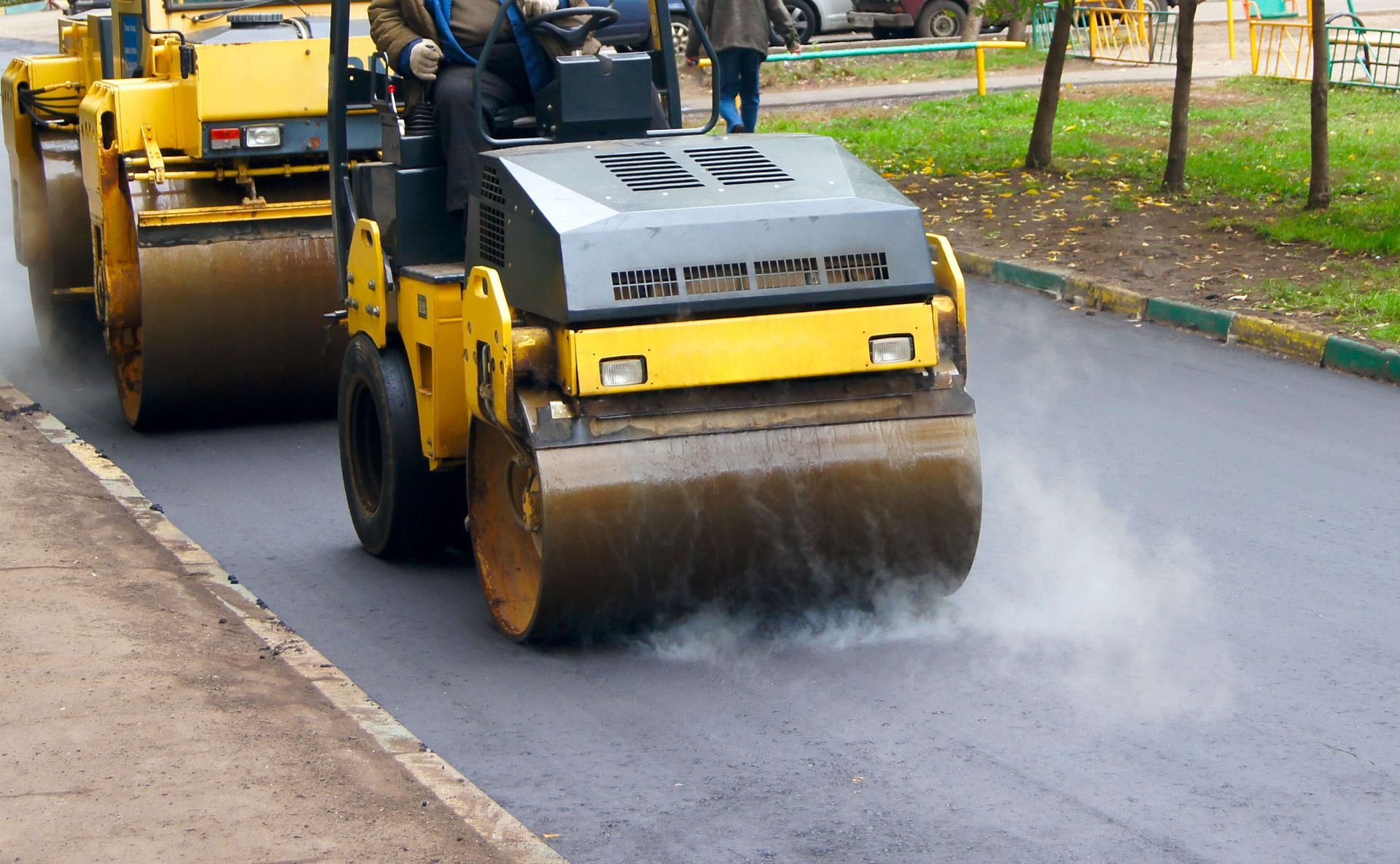
The hot-mix blacktop paving application requires precise temperature management and specialized mechanical equipment. Asphalt mix is delivered to the job site at temperatures ranging from 275 to 300 degrees Fahrenheit and applied evenly using a self-propelled mechanical paver. Heavy steel-wheel and pneumatic rollers immediately compact the hot material to lock the aggregate particles together and eliminate internal air voids. Achieving an ideal target air void content—typically between 4 and 7 percent—is critical, as excessive voids allow water and air to enter the pavement, accelerating oxidation and structural deterioration.
Maintenance Requirements for Blacktop Driveways
Proactive maintenance is essential to maximize the service life of a residential or commercial blacktop driveway. Regular cleaning to remove oil spills, gasoline drippings, and organic debris prevents the chemical breakdown of the asphalt binder. When minor stress cracks or small potholes inevitably appear due to ground movement or heavy loads, property owners must seal them promptly using hot-pour rubberized crack fillers. Early intervention stops water from penetrating the pavement structure, preventing the severe subgrade erosion that turns minor cracks into extensive failures.
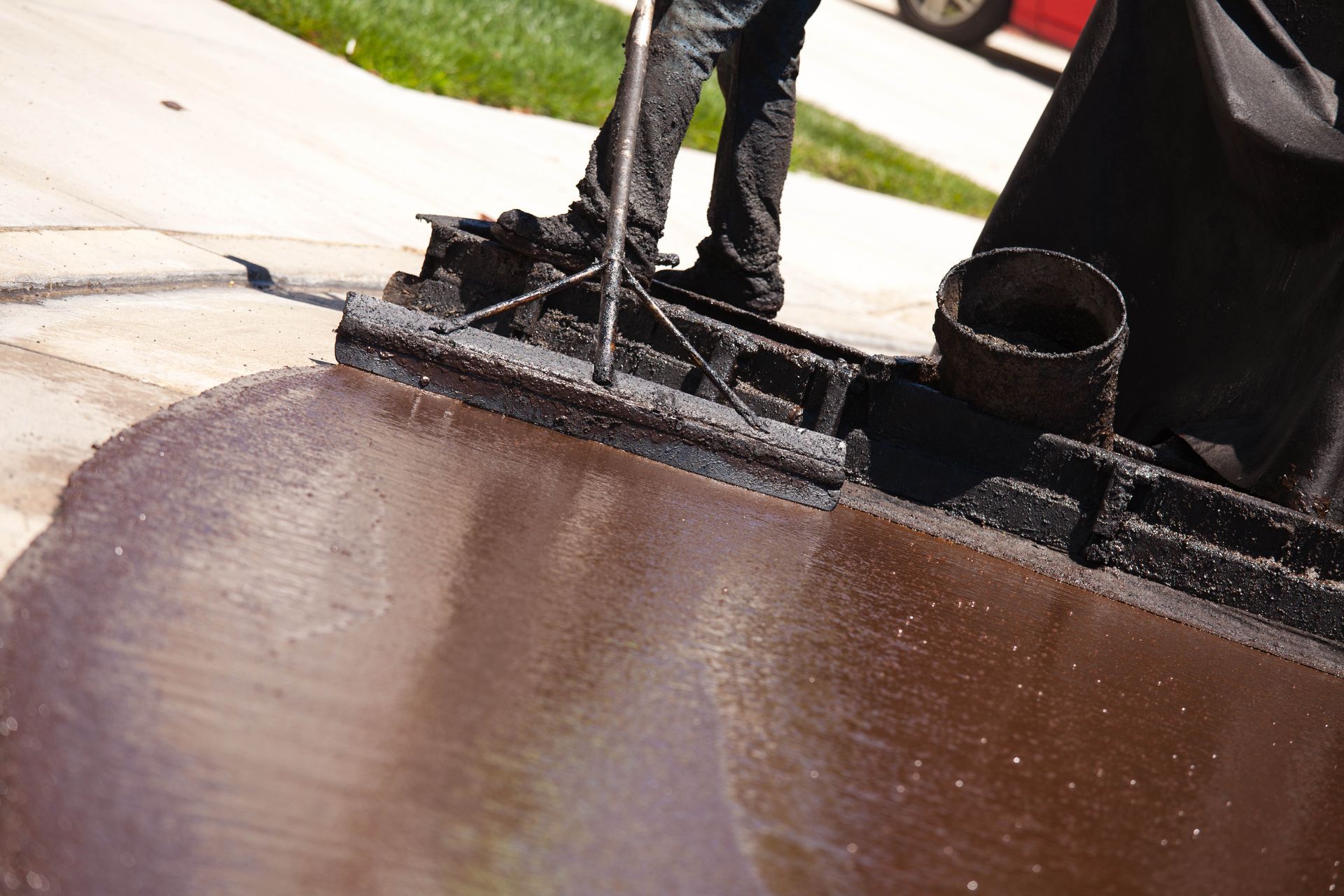
Applying a protective sealcoat is another vital preventive maintenance strategy for blacktop paving surfaces. Sealcoating places a thin, protective barrier over the asphalt, shielding the underlying binder from harmful ultraviolet radiation, moisture intrusion, and chemical degradation. Applying a high-quality coal-tar or asphalt-emulsion sealer every two to three years replenishes lost surface oils, restores a deep black appearance, and extends the structural life of the driveway. Combining regular sealcoating with seasonal inspections ensures that minor surface defects are identified and repaired before major structural rehabilitation becomes necessary.
Common Issues and Troubleshooting
Surface cracking is one of the most common issues affecting blacktop driveways, taking forms such as alligator cracking, longitudinal cracking, or edge cracking. Alligator cracking—a series of interconnected blocks resembling reptile skin—indicates structural failure of the base layer or persistent overload beyond the pavement's design capacity. Conversely, potholes develop when moisture penetrates cracks, freezes, expands, and dislodges aggregate particles under vehicle traffic. Addressing these issues requires localized full-depth patching to restore structural support before applying fresh surface material.
Inadequate surface drainage and prolonged UV exposure cause distinct long-term performance issues. Standing water weakens the bond between the asphalt binder and aggregate particles, leading to stripping and surface raveling. Over time, UV radiation oxidizes the asphalt binder, causing the driveway to fade from rich black to light grey while becoming increasingly brittle. Property owners can troubleshoot fading and minor surface oxidation through timely sealcoating, while drainage deficiencies often require corrective regrading, catch basin installations, or edge drain additions to safely divert water away from the pavement edge.
Innovations and Technologies in Blacktop Construction
The blacktop paving industry continues to evolve through advancements in sustainable materials and smart construction technologies. Reclaimed asphalt pavement is now widely incorporated into new hot-mix formulations, recycling crushed old driveways and roads into high-performance asphalt mixtures. This practice conserves virgin aggregate resources and reduces petroleum binder consumption. Additionally, warm-mix asphalt technologies allow contractors to produce and lay blacktop at significantly lower temperatures, reducing fuel consumption at the plant and lowering greenhouse gas emissions during installation.
Modern equipment innovations have further elevated the precision and longevity of driveway installations. Automated paver controls and intelligent compaction systems utilize real-time sensors to ensure uniform layer thickness and optimal density across the entire surface. Emerging material research is also introducing self-healing asphalt formulations containing micro-capsules or induction-heated fibers that repair micro-cracks automatically before they expand. These technological breakthroughs ensure that modern blacktop surfaces deliver superior durability, enhanced smooth-riding performance, and reduced lifecycle environmental impacts.
Engineering a durable, high-performance driveway requires a thorough understanding of the structural mechanics, material properties, and environmental factors that govern blacktop pavement. By selecting quality aggregates, maintaining precise binder formulations, and establishing a dense, well-drained sub-base foundation, property owners can ensure their driveways withstand heavy vehicle loads and harsh seasonal weather for decades. Implementing routine maintenance strategies, such as prompt crack sealing and periodic sealcoating, further safeguards this vital infrastructure investment. When you are ready to construct or rehabilitate your residential or commercial driveway with expert craftsmanship and high-grade materials, partner with R & R Paving to secure a smooth, durable, and visually appealing surface tailored to your exact property specifications.