November 10, 2026
Understanding the role of asphalt paving contractors is essential for both residential and commercial projects. These professionals are tasked with transforming surfaces using asphalt, a versatile and durable material. The process involves sophisticated techniques and technology to ensure the longevity and performance of the paved areas. This article delves into their responsibilities, the processes involved, and factors to consider when hiring these specialists. With a clear understanding, you can make informed decisions that will lead to successful paving projects.
Understanding Asphalt Paving
The Basics of Asphalt
Asphalt is a popular paving material used worldwide due to its durability and cost-efficiency. It consists of a mixture of aggregates, binder, and filler, engineered to provide a smooth and robust surface. The versatility of asphalt allows it to be used in a variety of applications, from highways to residential driveways. Its composition can be adjusted to meet specific project requirements, enhancing its adaptability. As with any construction material, understanding its properties is key to utilizing it effectively.
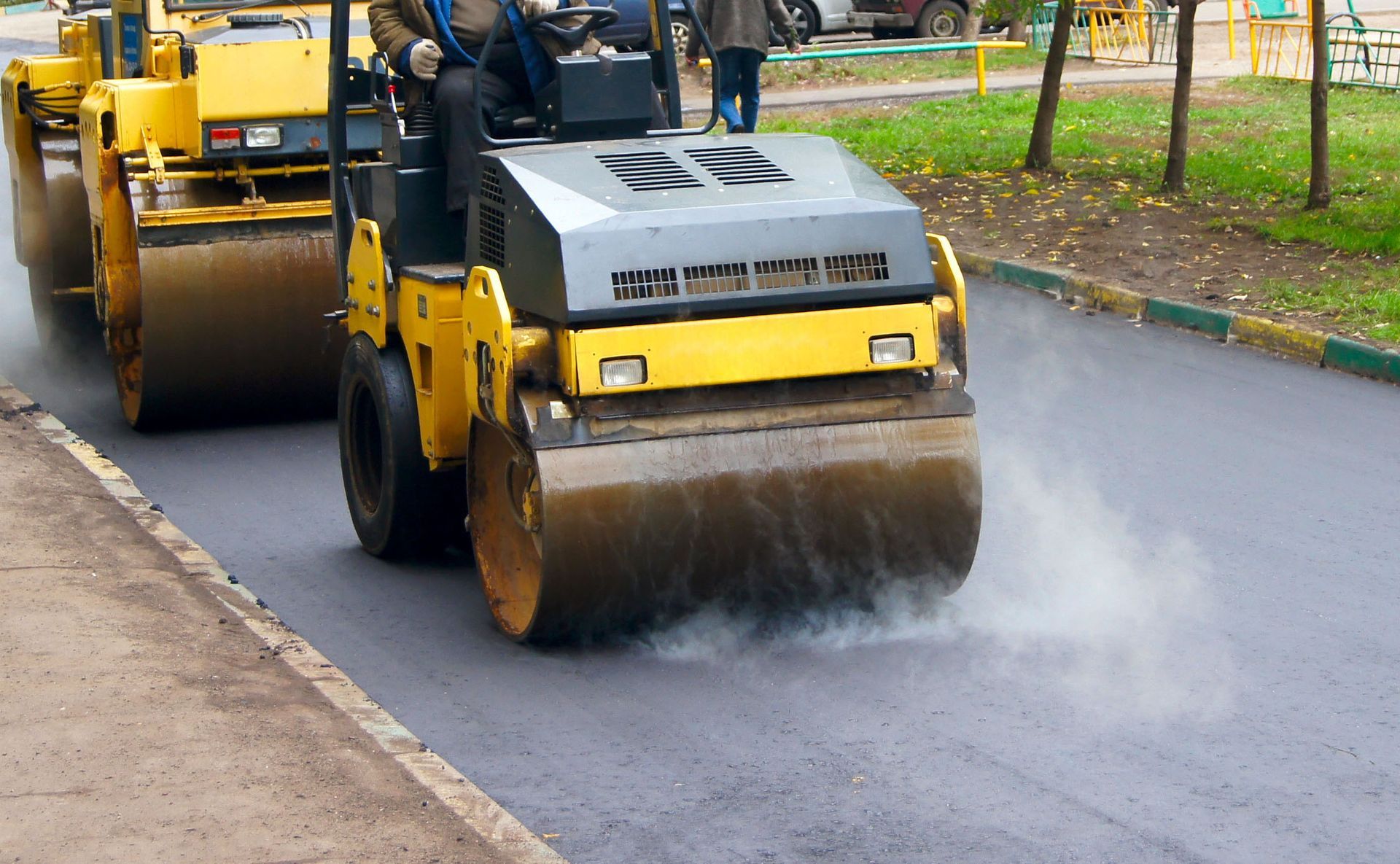
The quality of asphalt surfaces depends significantly on the materials and methods employed during preparation and laying. Asphalt requires expert handling to ensure it adheres well to the base and withstands environmental conditions. Proper thickness is also crucial; according to Homeguide, a new asphalt driveway needs an asphalt layer 3\" to 5\" thick to last. This ensures the surface can handle traffic loads without premature deterioration. Ultimately, using the appropriate mix and application techniques determines the longevity of asphalt paving.
Asphalt’s popularity stems not only from its durability but also from its recyclability. The material is one of the most recycled products globally, with millions of tons reused every year. This ability to recycle makes asphalt an eco-friendly choice for paving. Recycled asphalt is not only sustainable but also reduces project costs, reinforcing its economic benefit. By utilizing recycled materials, projects can minimize their environmental footprint while maintaining quality.
Benefits of Using Asphalt
Asphalt paving offers multiple advantages that make it a preferred choice for many projects. Firstly, its durability ensures it can withstand considerable wear and tear, making it suitable for driveways, roads, and parking lots. The flexibility of asphalt absorbs stresses, reducing the potential for cracking under traffic loads. This inherent resilience translates into longer-lasting surfaces with reduced maintenance needs. Furthermore, asphalt’s smooth surface contributes to a quieter and more comfortable ride.
Cost-effectiveness is another significant benefit of using asphalt in construction. Compared to concrete, asphalt surfaces are quicker and cheaper to install, presenting substantial savings in both time and money. The lower initial cost does not compromise performance, as the material's maintenance and repair needs are minimal. Asphalt surfaces, when properly installed and maintained, offer extended service life, maximizing return on investment. In addition, its recyclability further enhances its cost-effectiveness, as reclaimed asphalt is often cheaper to produce.
Asphalt surfaces provide excellent traction and drainage, which are critical for roadway safety. Its dark color helps melt snow faster than other surfaces, reducing the risks during winter. The material’s permeability can be adjusted to improve water drainage, preventing issues such as aquaplaning. This adaptability makes asphalt an ideal choice for areas prone to heavy rainfall or fluctuating weather conditions. Overall, asphalt is not only practical and economical but enhances safety for vehicles and pedestrians alike.
Common Applications of Asphalt
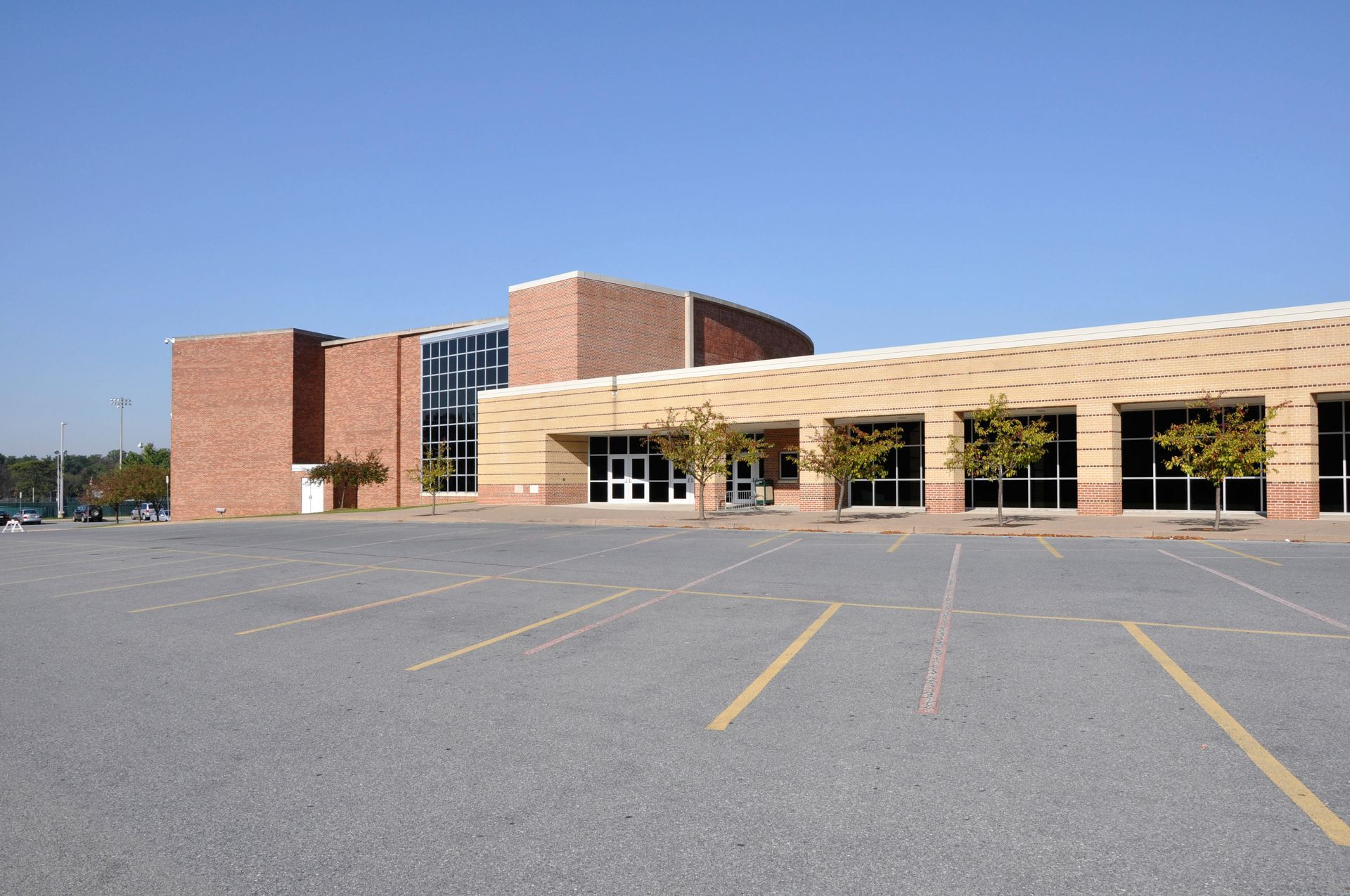
Asphalt’s versatility makes it suitable for a wide range of applications in residential, commercial, and public infrastructure projects. It is commonly used in paving roads due to its durability and ability to handle heavy traffic loads. Asphalt roads offer smoother rides and are easier and quicker to repair than concrete alternatives. Beyond roads, asphalt is a popular choice for constructing driveways and parking lots. Its aesthetic appeal and functional properties make it a preferred material for enhancing property value and accessibility.
Another prevalent use of asphalt is in airport runways, where its strength and flexibility can accommodate the weight and movement of aircraft. The material’s shock absorption properties help protect aircraft during landing and takeoff. Additionally, its heat retention capability aids in keeping the runways free of ice and snow. In urban planning, asphalt is widely used for bike paths, walkways, and recreational surfaces, offering comfort and safety for non-motorized traffic. Its finish provides a level, slip-resistant surface that reduces the risk of accidents.
Asphalt also plays a vital role in industrial applications, forming the basis for areas like shipping docks and loading bays. These areas require surfaces that can endure heavy machinery and constant use without forming ruts or potholes. Furthermore, its quick setting time minimizes operational disruptions, which is crucial for facilities requiring continuous access. Asphalt’s adaptability allows it to be tailored to specific industrial needs, enhancing functionality and productivity. Overall, its diverse uses underline why asphalt is a cornerstone material in modern construction.
Environmental Impact
While asphalt is a non-renewable resource, its environmental impact is mitigated through extensive recycling practices. Reclaiming and reusing asphalt from old pavements significantly reduces the need for new raw materials. Recycling also means fewer emissions and lower energy consumption compared to producing new asphalt, aligning with sustainable construction goals. The industry’s push for green technology has led to innovations in producing more environmentally friendly asphalt. Integrating bio-materials and warm mix technologies are examples of advances contributing to reduced environmental footprints.
The manufacturing process for asphalt is continually evolving to minimize its impact on air quality. Modern production techniques aim to reduce volatile organic compounds and emissions associated with asphalt production. Through careful selection and processing of raw materials, the industry can further diminish pollutant outputs. However, despite these improvements, some environmental concerns remain, particularly regarding runoff water pollution. The concern arises from oils and chemicals potentially leaching into waterways, necessitating diligent management practices.
In terms of urban heat effects, asphalt surfaces can contribute to increased ambient temperatures. However, new technologies like highly reflective asphalt surfaces are being developed to combat this issue. These reflective materials help in reducing heat absorption, promoting reduced temperatures in urban areas. Furthermore, porous asphalt designs allow water to percolate through, alleviating effects associated with urban heat islands. Continued advancements in asphalt technology offer promising solutions for mitigating its environmental impacts while preserving its benefits.
Lifecycle and Maintenance
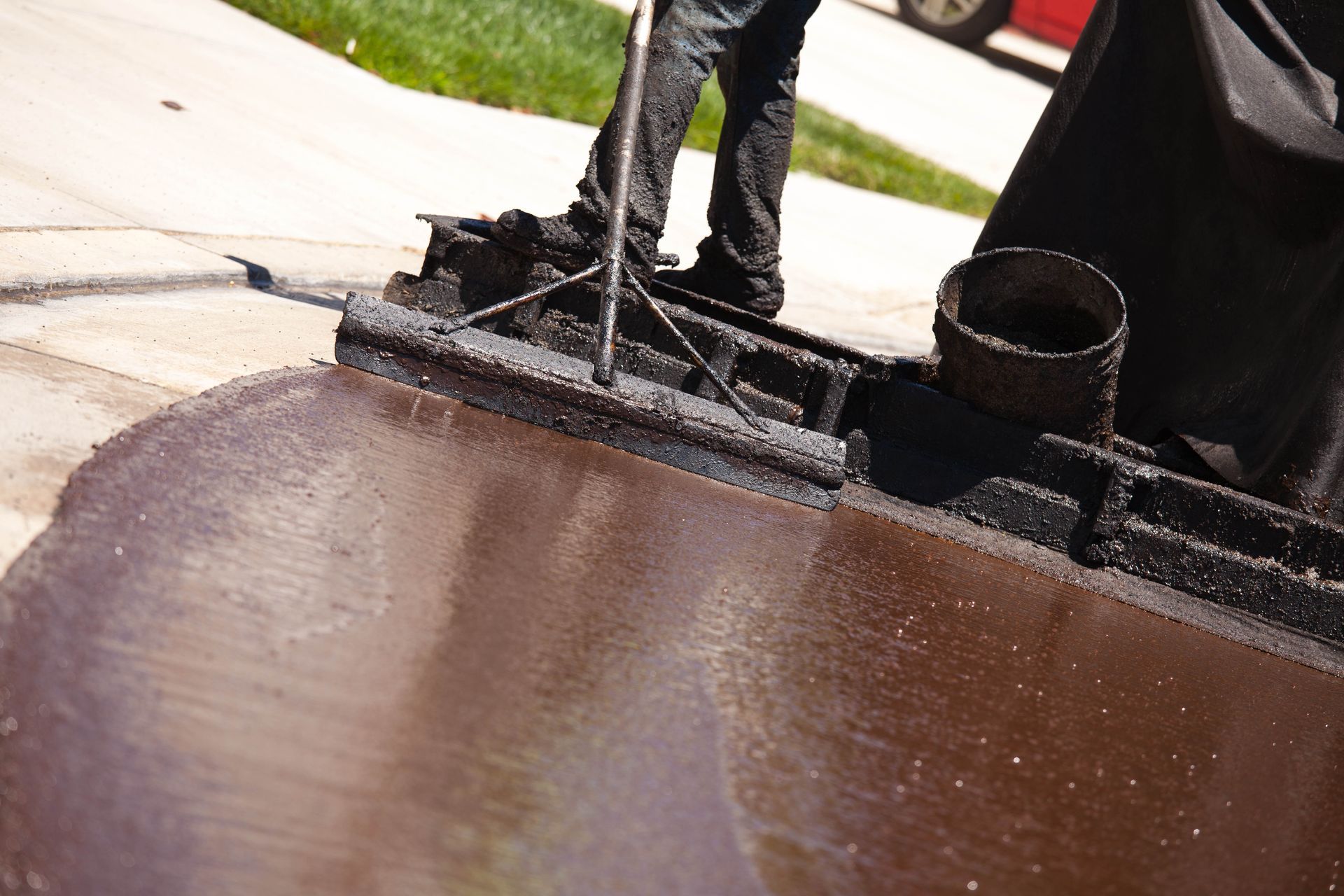
The longevity of asphalt surfaces depends greatly on the quality of installation and ongoing maintenance. A well-installed asphalt surface can last anywhere from 15 to 20 years, provided it is properly managed. Regular maintenance routines, such as crack sealing and sealcoating, can significantly extend its service life. Sealcoating provides a protective layer that shields the asphalt from the damaging effects of UV rays, water, and vehicle fluids. Keeping it clean and free from debris further prevents premature aging and damage to the asphalt surface.
Maintenance needs for asphalt surfaces vary according to their usage and environmental exposure. Driveways may require less frequent maintenance compared to heavily trafficked roads. It is advisable to inspect asphalt surfaces regularly for signs of wear and tear, such as cracks, potholes, and fading. Early detection and repair of minor issues prevent them from escalating into major repairs. Seasonal maintenance is particularly important in regions with harsh weather conditions, where freeze-thaw cycles can lead to extensive damage.
Properly maintaining asphalt not only prolongs its life but also preserves its aesthetic appeal and functionality. Budgeting for maintenance should be part of the initial project planning, as it impacts long-term costs and performance. Investing in professional maintenance services ensures thorough inspections and timely repairs. Professionals have access to advanced materials and techniques that DIY efforts may lack, providing peace of mind and consistent results. By prioritizing timely maintenance, property owners can maximize the value and utility of their asphalt investments. Be sure to reach out to R & R Paving today to learn more about our professional asphalt paving contractors!